

Homes & Gardens
12 Jan 2026
2026 – Under Starter’s Orders
Reading Time: < 1 minute
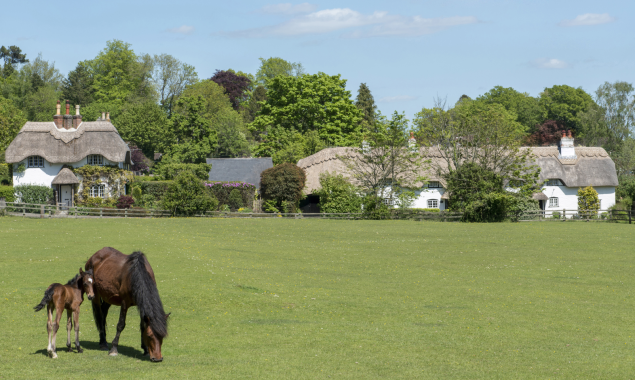
At Zoe Napier Group, we’re privileged to represent some of the most distinctive homes across Essex and South Suffolk — from coastal retreats to countryside estates, equestrian properties to characterful barns. Many of these offer more than bricks and mortar: they come with land, space, and views. And while interiors may win hearts, it’s often the sense of owning your own landscape that makes people fall in love.
The phrase “horses for courses” may come from the racetrack, but it perfectly applies to the property world too—especially when it comes to equestrian facilities. Just as some horses perform better on certain courses, buyers in the equestrian market all have different priorities. Whether you’re buying, selling, or simply upgrading your equine setup, it’s important to know what adds real value—and what might just be horse sense.
One of the first things buyers look for is a manège—or arena—and yes, size does matter, but not in a one-size-fits-all way.
A professionally constructed manège is a serious investment, usually requiring planning permission and costing anywhere between £30,000 and £40,000, with prices rising steeply as dimensions increase. The gold standard for dressage is the 60x20m International arena. These are often unfenced to mimic competition settings.
However, a more typical domestic manège is 40x20m—ideal for general riding and smaller properties. If you’re into show jumping or carriage driving, a square configuration like 40x40m might be preferable. Ultimately, the size depends on the space available, how many horses you’re accommodating, and of course, your budget.
Ask any horse owner and they’ll tell you—grazing land is gold. The classic rule of thumb is one horse per acre. But good land management can bend the rules slightly. With proper poo picking, rotation, and rest periods during winter, you might manage two horses on just over an acre.
For smaller plots, consider installing all-weather turnout areas to avoid winter mud baths. Another increasingly popular solution is the track system—a form of perimeter grazing using electric fencing that encourages natural movement and mimics herd behaviour. It’s a big tick for horse welfare and land management alike.
Not every pony needs a palace—but buyers often prefer full-sized stables, especially for resale value. The standard is 12ft x 12ft (3m x 3m), although this is typically the external measurement of a timber stable block. A popular layout is an L-shaped configuration with three to four stables, a tack room, and a storage area for hay and machinery.
Compact or creatively converted spaces may work perfectly for smaller setups, but if you’re looking to sell, traditional stable blocks still hold the most appeal.
Short answer: Yes. Long answer: it depends on the buyer, but in most cases, quality extras are a major plus.
In short, yes—but it’s about balance. Consider the money you invest versus the value in convenience, time saved, and sheer enjoyment of your hobby. Well-maintained facilities, thoughtful layouts, and practical extras can absolutely boost your property’s appeal.
But here’s the key: marketing to the right buyer. A good equestrian property agent knows how to highlight the value of what you’ve created. From arena size to the smallest stable fixture, they’ll ensure it’s understood and appreciated.
Equestrian properties are as unique as the horses that live on them. Whether you’re creating your dream setup or preparing to sell, make sure your facilities are not only functional but also future-proof. After all, the right course can make all the difference—for both horse and rider.
For expert advice in selling your reassuringly unique home – from coast to country, equestrian property to unique conversions – we understand the quality of your home. Covering Essex & South Suffolk, with offices in Essex & Mayfair London.
Disclaimer: We are not qualified planning experts or tax advisors. This blog is for general guidance only — please seek professional advice for your specific situation.

I’m Zoe Napier, and I’ve dedicated over a decade to building The Zoe Napier Group into what it is today. My passion for unique properties and my commitment to our clients are at the heart of everything we do. I’m constantly exploring new ideas, often in the early hours, to ensure our brand remains at the forefront of the industry. With four niche divisions, we specialise in selling homes that are truly "Reassuringly Unique." I’m proud of what we’ve achieved and excited about the future as we continue to set new standards in bespoke property services.