

Homes & Gardens
12 Jan 2026
2026 – Under Starter’s Orders
Reading Time: < 1 minute
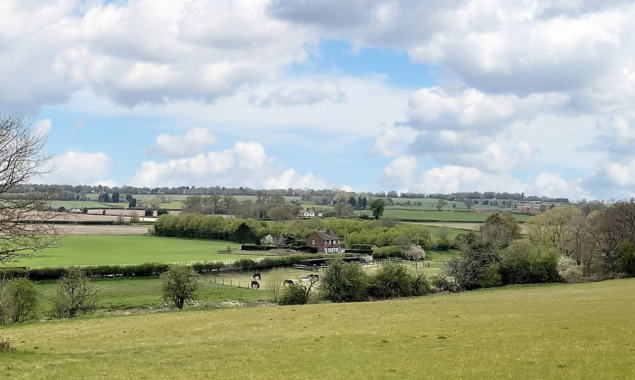
Buying and selling land for grazing is more complex than simply knowing the value of agricultural land. From planning permissions to potential tax implications, there are many factors to consider.
When considering buying or selling land, especially in Essex and South Suffolk, here are some critical questions to ask:

Amenity land – smaller parcels that are not large enough for commercial farming – commands much higher prices. Typically, we achieve between £20,000 and £50,000 per acre for these smaller plots. For instance, a recent sale of a 4-acre parcel of grazing land fetched an impressive £250,000. This land was securely fenced and included an old barn, which could likely secure Class Q permission for conversion (refer to our information sheets on Class Q).
If you’re a seller with a 4-acre parcel of fenced grazing land with water connected, the guide price would generally range from £125,000 to £150,000, possibly more if the land includes facilities like stables and established rights for keeping horses.
One crucial aspect sellers must be aware of is Capital Gains Tax (CGT). Currently, CGT stands at 20%, but there is speculation that this could rise to align more closely with income tax rates, potentially reaching 40%. Sellers need to understand how CGT will impact their net gains from a sale, and it’s always advisable to consult with a tax professional before proceeding.
For buyers, it’s essential to consider that a seller’s tax obligations might influence the final price. Selling land at £10,000 per acre, typical for agricultural land, may not be worth the seller’s time after CGT is factored in.
Owning a piece of land, especially in smaller parcels, is akin to owning gold dust. These opportunities don’t come around often, and when they do, competition can be fierce. Many buyers, often with cash in hand, are willing to spend up to £300,000 on such parcels, far more frequently than those seeking larger, commercial agricultural plots.
Smaller parcels consistently fetch prices up to 3 to 5 times higher per acre than larger plots of arable farmland. If you’re buying land that adjoins your property, be prepared to pay a premium, as this can significantly enhance your property’s overall value.
For property owners with acreage who are contemplating selling part of their land—perhaps because they no longer need it for horses—this could be an excellent opportunity to inject some cash while reducing the amount of land to manage. However, it’s essential to consult with an experienced agent to understand how selling a portion of your land might impact the overall value of your property.
As specialist agents, when asked, “how much can we sell for?” we consider all these factors, including any future potential for alternative uses. With over 40 years of property experience, I’m here to guide you through these complex decisions and help you make the most of your land.

I’m Zoe Napier, and I’ve dedicated over a decade to building The Zoe Napier Group into what it is today. My passion for unique properties and my commitment to our clients are at the heart of everything we do. I’m constantly exploring new ideas, often in the early hours, to ensure our brand remains at the forefront of the industry. With four niche divisions, we specialise in selling homes that are truly "Reassuringly Unique." I’m proud of what we’ve achieved and excited about the future as we continue to set new standards in bespoke property services.