

Homes & Gardens
12 Jan 2026
2026 – Under Starter’s Orders
Reading Time: < 1 minute

Maintaining Grade II listed buildings requires a deep understanding of their history and structure. From avoiding harmful paints to tackling rising damp with French drains, learn how to care for your listed property while staying within the guidelines of Essex and Suffolk councils.
Maintaining a Grade II listed building requires special expertise. These historic properties come with unique challenges, particularly when it comes to preserving their original character while ensuring structural soundness. From understanding the effects of paint types to managing rising damp and navigating planning regulations, this post provides essential insights.

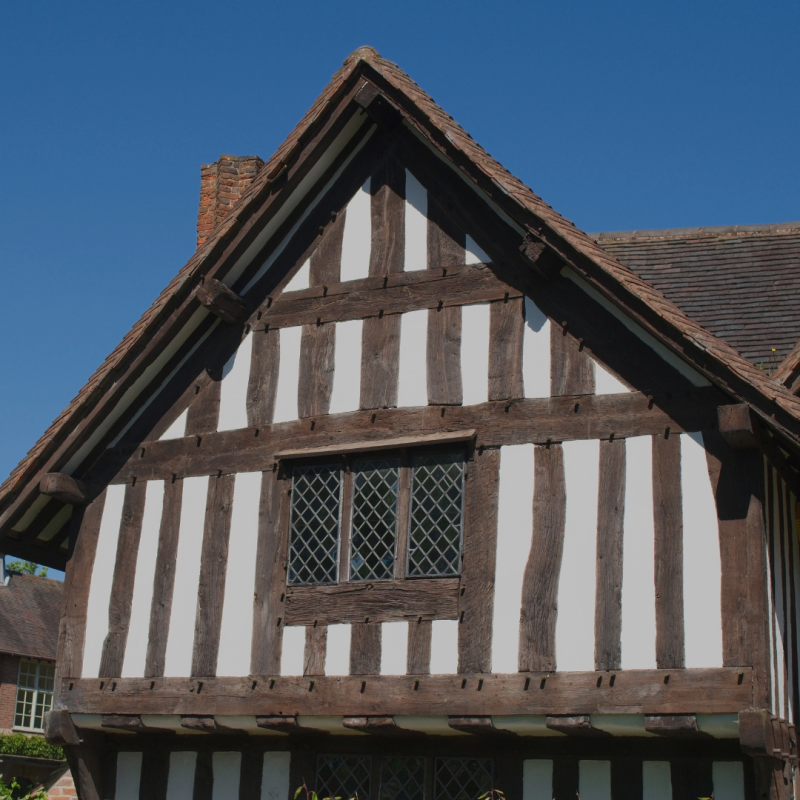
Many listed buildings have had a variety of paints applied over the years. One common type is black bitumen paint, traditionally used to protect timber. However, it’s crucial to note that this paint can seal moisture into the wood, leading to rot over time. Historic timbers need to “breathe,” and trapping moisture accelerates decay. Instead, consider breathable limewash, which allows moisture to escape while still offering protection.
Owning a listed property comes with planning restrictions, especially when making alterations. In Essex and Suffolk, any changes to a listed building, including repairs that might affect the structure, require listed building consent from the local council. Both Essex County Council and Suffolk County Council have detailed guidelines for homeowners. Failing to secure permission could result in fines or being required to reverse any unauthorised work.
Typical issues include replacing windows, repairing roofs, or using modern materials that could alter the building’s historical character. It’s always recommended to consult with a conservation officer or seek advice from a specialist before starting any work. You may also need to meet specific requirements regarding energy efficiency and sustainability, but all work must be sympathetic to the building’s heritage.
If you have any more questions: Contact Us

I’m Zoe Napier, and I’ve dedicated over a decade to building The Zoe Napier Group into what it is today. My passion for unique properties and my commitment to our clients are at the heart of everything we do. I’m constantly exploring new ideas, often in the early hours, to ensure our brand remains at the forefront of the industry. With four niche divisions, we specialise in selling homes that are truly "Reassuringly Unique." I’m proud of what we’ve achieved and excited about the future as we continue to set new standards in bespoke property services.