

Homes & Gardens
12 Jan 2026
2026 – Under Starter’s Orders
Reading Time: < 1 minute
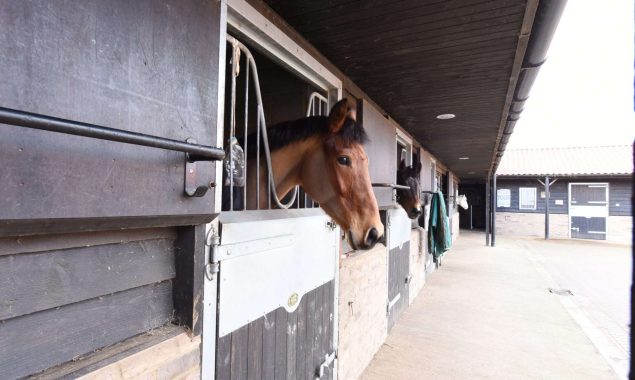
Planning permission for equestrian properties can feel overwhelming, but it’s simpler than you think. This guide explores land classifications, planning requirements, and practical tips to help horse enthusiasts turn their dreams into reality. Whether you’re considering stables, a manege, or buying a property with existing facilities, preparation is key.
For horse lovers and equestrian enthusiasts, owning a property with land can be a dream come true. Whether you’re considering building stables, a manege, or simply keeping horses on-site, understanding the intricacies of planning permission is essential. Drawing from years of hands-on experience in equestrian property, I’m here to demystify the process and help you plan effectively.

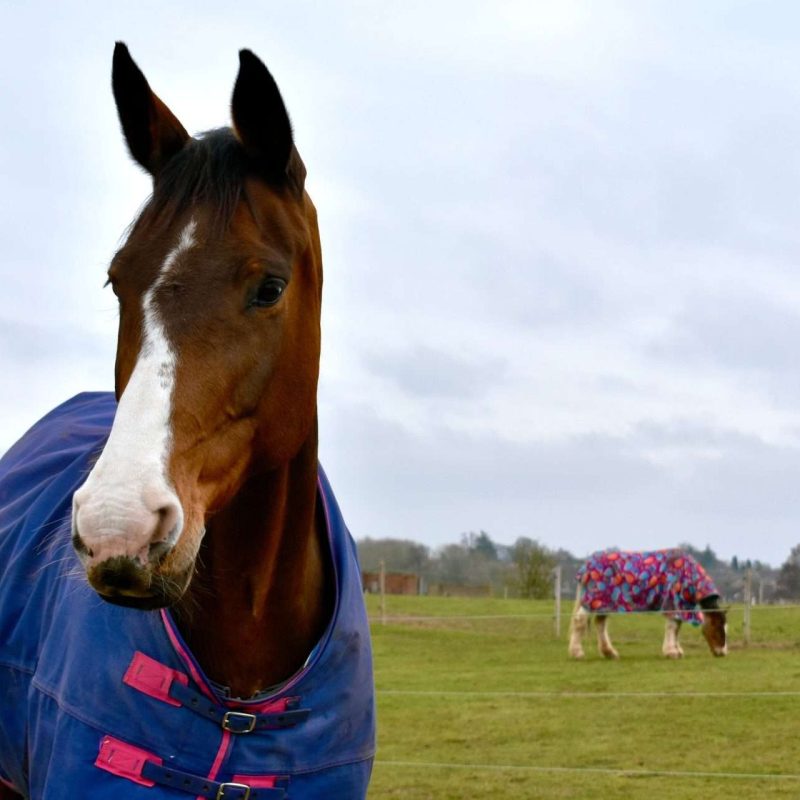
When exploring properties suitable for equestrian use, understanding land classifications is crucial. Most properties include a mix of the following:
Horses grazing on agricultural land are generally accepted by local authorities, even though, technically, only certain horses—like working shire horses or those bred for meat—qualify under agricultural use. Authorities often take a practical view, recognising that horses grazing mimic livestock grazing, benefiting the environment.
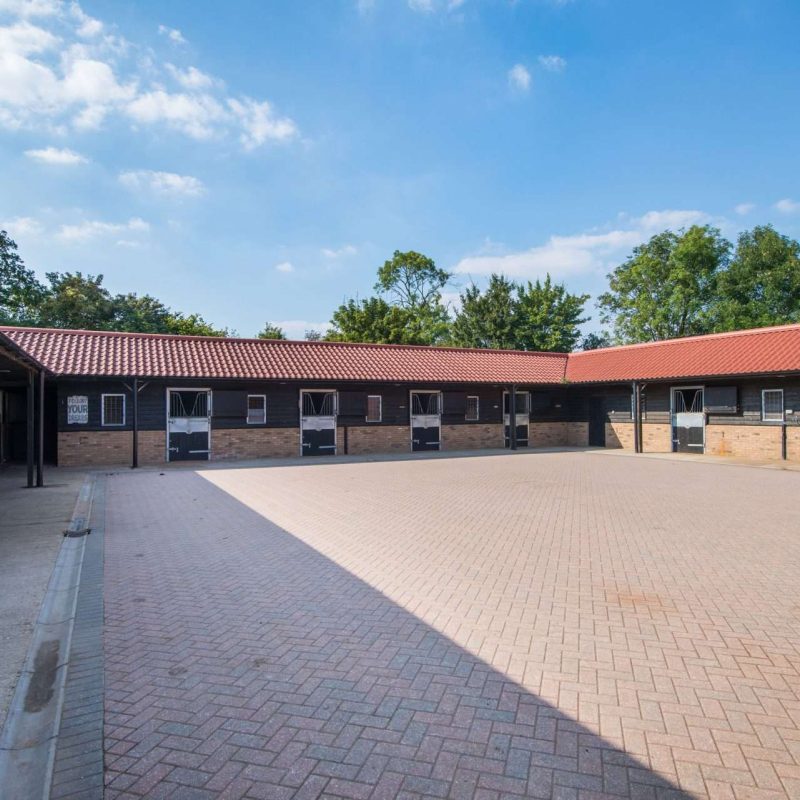
Building equestrian facilities, such as stables, riding arenas, or even hardstanding areas, typically requires planning permission. However, if these structures are within the domestic curtilage of your property, permitted development rights may apply.
For example:
When considering a property for equestrian use, be proactive. Ask the following:
At the Zoe Napier Group, we specialise in understanding the unique requirements of equestrian properties, ensuring our clients are equipped with the knowledge to make confident decisions.
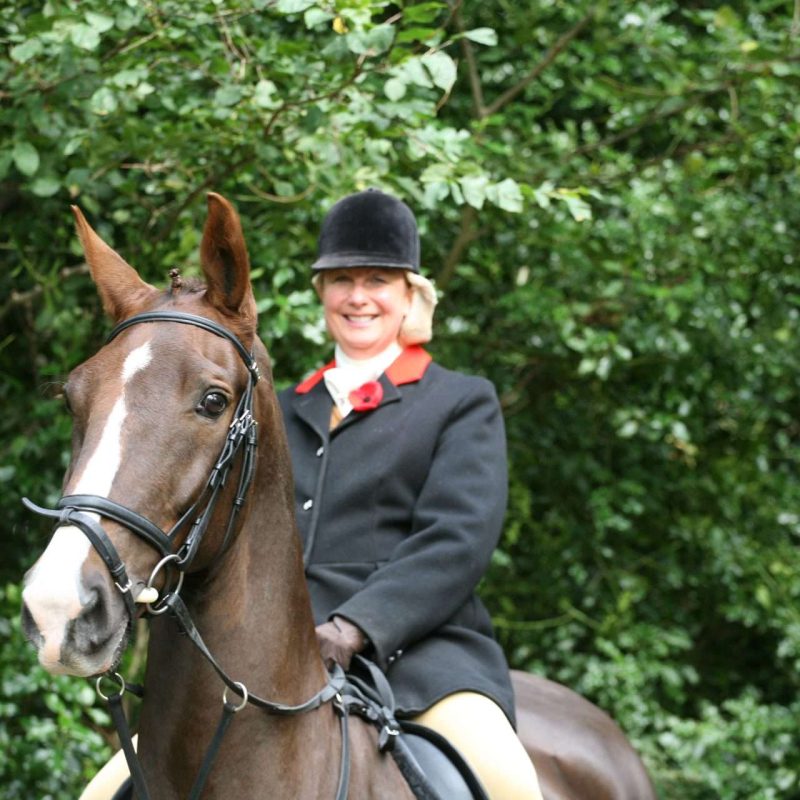
As someone with extensive experience in equestrian property, I’ve seen it all; from straightforward planning applications to navigating complex regulations in conservation zones. My passion for the equestrian lifestyle and deep understanding of these unique challenges mean I can offer invaluable guidance to anyone looking to buy, sell, or develop an equestrian home.
The world of planning permission can feel complex, but it doesn’t have to be daunting. By understanding land classifications, planning requirements, and established rights, you can make informed decisions that keep your equestrian dreams on track.
Whether you’re buying your first equestrian property or upgrading existing facilities, the key to success lies in preparation and expert advice. With a reassuringly unique approach to every property we handle, the Zoe Napier Group is here to guide you from start to finish.

I’m Zoe Napier, and I’ve dedicated over a decade to building The Zoe Napier Group into what it is today. My passion for unique properties and my commitment to our clients are at the heart of everything we do. I’m constantly exploring new ideas, often in the early hours, to ensure our brand remains at the forefront of the industry. With four niche divisions, we specialise in selling homes that are truly "Reassuringly Unique." I’m proud of what we’ve achieved and excited about the future as we continue to set new standards in bespoke property services.