

Homes & Gardens
12 Jan 2026
2026 – Under Starter’s Orders
Reading Time: < 1 minute

With the right advice on planning and development, your property could hold the potential for residential conversions or new builds, transforming it into a veritable gold mine.
Many rural homeowners may unknowingly be sitting on a lucrative opportunity. With the right eye for planning and development, your back garden could hold the potential for residential conversions or new builds, transforming it into a veritable gold mine. However, navigating the complexities of planning permissions, Capital Gains Tax, and development costs is crucial. Discover how to assess your property’s potential and avoid common pitfalls with expert advice from Zoe Napier.
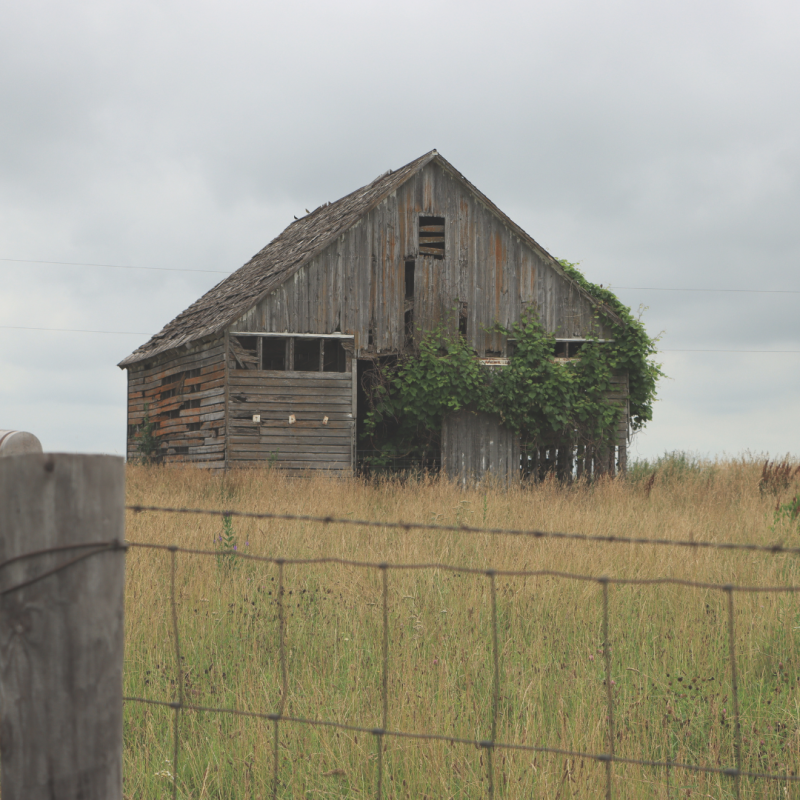
There are a number of sites in suburban and rural areas that could meet the criteria for future development, reports Zoe Napier. Identifying these opportunities requires a keen eye and a solid understanding of planning criteria. Zoe, who has successfully orchestrated the introduction of several potential sites in rural areas, notes that many homeowners might be sitting on a gold mine, especially if their property includes existing barns or outbuildings that could gain planning permission under existing permitted development rights, such as Class Q.
These opportunities aren’t limited to barns; more complex sites classified as brownfield or the newer concept of grayfield, where established commercial uses might be better suited for residential conversion—could also hold significant potential.

The excitement of potentially converting redundant farm buildings or building in your backyard is understandable, but it’s essential to fully investigate the gross and net values involved. A typical farmhouse with adjacent farm buildings ripe for conversion might seem like a lucrative venture, but several factors need to be considered:
If you have a mortgage, you’ll need to obtain permission from your lender to separate the title if required. This isn’t always guaranteed and could halt your plans before they start.
If planning permission is granted for additional residential dwellings, be prepared for potential CGT implications. This tax can significantly alter the financial dynamics of your project, and once all costs are weighed up, the homeowner might find that the venture offers little financial gain.
If planning permission is granted for multiple barn conversions or new builds, these projects are usually only of interest to commercial developers. However, the days of a clear-cut profit split (one-third each for land purchase, building costs, and profit) have changed. Rising building costs and additional local authority fees often mean the seller might only receive 25% of the Gross Development Value (GDV). After CGT, the financial gain could be minimal.
On the other hand, single-plot builds often fetch higher prices, particularly if they appeal to individuals looking for self-build opportunities rather than commercial developers seeking profit margins.

This is where our expertise comes into play, says Zoe. We are your first port of call for marketing advice and assistance in assessing your property’s potential. Depending on your situation, we might recommend various routes:
This involves a developer with their own planning team who offers an ‘option agreement’. The developer covers all planning costs in return for a secured agreement (option) between both parties.
For a relatively small fee, a recommended rural planning consultant can assess the feasibility of your project and provide professional advice.
Some investors might be willing to purchase outright, relieving you of the planning and development process entirely. If you think you might be sitting on a potential development opportunity, or if you’d like to explore your options, we’re here to help.
For more information, please contact:
Zoe Napier: Contact zan@zoenapier.co.uk | Office: 01621 840333 | Mobile: 07584 583358
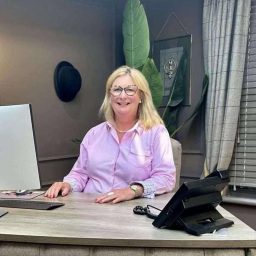
I’m Zoe Napier, and I’ve dedicated over a decade to building The Zoe Napier Group into what it is today. My passion for unique properties and my commitment to our clients are at the heart of everything we do. I’m constantly exploring new ideas, often in the early hours, to ensure our brand remains at the forefront of the industry. With four niche divisions, we specialise in selling homes that are truly "Reassuringly Unique." I’m proud of what we’ve achieved and excited about the future as we continue to set new standards in bespoke property services.